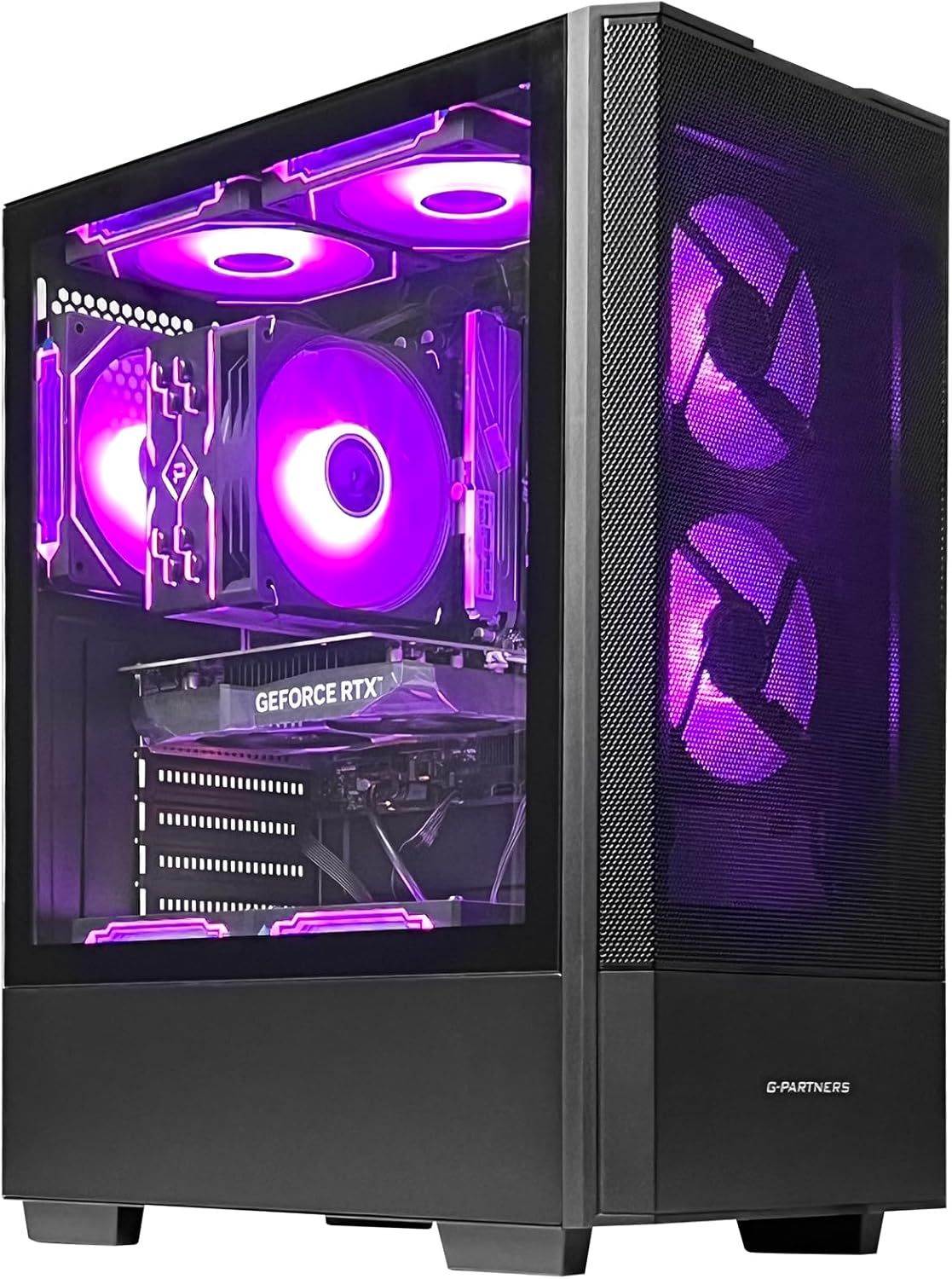
If you’re shopping for Best Desktop Pcs, you’ve probably noticed how many listings look nearly identical while your browser tabs, documents, and video calls keep slowing down your day. You want a machine that handles multitasking without a steep price tag or a desk covered in cables. The good news is that these five models each lean toward a different kind of workday. Getting the match right matters more than chasing the biggest spec sheet, and a closer look at desktop computers for home offices can help you compare fit.
The Lenovo IdeaCentre suits you if you want dual-screen productivity on a tight budget, since it’s built for home users and small businesses. The Dell Slim Desktop fits you best if your workspace is small and you may connect several monitors later. The Dell 23.8-inch All-in-One works well if you’d rather have a tidy screen and speakers built right in, with no separate tower on your desk.
Five Compact Desktops Compared for Home and Small Office Use

Pros
- Multitask Across Two Screens With HDMI 2.1
- Work Efficiently With 3.9GHz Dual-Core CPU
- Boot Instantly With PCIe 4.0 NVMe SSD
- Upgrade Memory Up To 32GB DDR5
- Stay Connected Wirelessly With Wi-Fi 6
Cons
- Lacks Optical Drive For Disc Media
- Only One USB Type-C Port Available
Expand details⌄
Detailed Review
The IdeaCentre Desktop stands out for its efficient dual-core Intel CPU and dual-display support, making it suitable for home offices that need reliable performance without excess cost. The processor delivers 3.9GHz speed with 6MB smart cache, while the integrated graphics and HDMI 2.1 allow clear visuals on two monitors. Fast DDR5 memory and a PCIe 4.0 NVMe SSD ensure quick loading of applications and documents.
Front‑accessible USB‑C and USB‑A ports, Wi‑Fi 6, and Bluetooth 5.2 keep the workspace tidy, and the compact tower fits into small desks. A US‑standard wired keyboard and mouse provide immediate plug‑and‑play use, and Windows 11 Home offers modern security features. Multiple USB options, Ethernet, and a VGA output give flexibility for peripherals.
Users who need consistent office performance and the ability to run two displays will find this system suits their workflow, while those requiring optical media or extensive port variety may need to look elsewhere. Overall, the IdeaCentre Desktop is built for home office environments that value speed, expandability, and a small footprint.

Pros
- Run Demanding Apps With Intel Core i3 14100
- Connect Four FHD Monitors Via DisplayPort 1.4a
- Upgrade Internal Components With Removable Side Panel
Cons
- Limited GPU performance for gaming
Expand details⌄
Detailed Review
The Dell Slim Desktop ECS1250 stands out for its combination of a compact design, robust i3 processor, and versatile multi‑monitor support in a workspace‑friendly chassis. Its tool‑less entry and removable side panel let users swap RAM or storage without tools, while the recycled‑material construction adds a sleek look to any small office.
Inside, the Intel Core i3 14100 paired with 8GB DDR5 delivers smooth multitasking for office applications, while the 512GB SSD provides rapid boot times and quick file access. WiFi 6 ensures reliable wireless connectivity, and the hardware TPM chip protects login credentials. Integrated Intel UHD Graphics 730 handles everyday visual tasks, and Windows 11 Home offers a modern, secure interface.
Dell’s 1‑year onsite service adds peace of mind, covering issues that remote support cannot resolve, while the built‑in lock slot or padlock loop lets users secure the desktop when stepping away. For a home office that values flexibility and low maintenance, this model offers a balanced solution without the bulk of traditional towers.

Pros
- Multitask Smoothly With 8GB DDR5 RAM
- View Crisp Details On 21.5\\" FHD Display
- Connect All Devices Via USB-C HDMI Ports
- Store More Data Using Docking Station Storage
- Work Quickly On Windows 11 Home OS
Cons
- Limited RAM For Heavy Workloads
- Modest Intel N100 Processing Power
Expand details⌄
Detailed Review
The HP 21.5\\" FHD All-in-One Desktop is built for everyday home office tasks, pairing an Intel N100 quad‑core processor with 8\u202fGB of DDR5 memory and 384\u202fGB of storage split between an SSD and a docking station. The anti‑glare VA display delivers clear text and media, while the adjustable stand allows a comfortable viewing angle. This configuration suits routine computing and light multitasking.
The extensive port selection and connectivity options enhance workflow flexibility. One USB‑C 3.1, two USB‑A 2.0, two USB‑A 3.0, Ethernet, HDMI, and a headphone/microphone combo jack let peripherals attach without adapters. Wi‑Fi\u202f6 and Bluetooth provide wireless access, while the front‑facing 720p camera and DTS‑tuned speakers support video calls and entertainment. The 8‑in‑1 docking hub adds a storage expansion path for additional drives.
The system’s 8\u202fGB of RAM may become a bottleneck for demanding applications, and the Intel N100 offers modest processing power suited for basic tasks rather than intensive workloads. Storage is divided, so the SSD handles the operating system while the docking station provides extra space. Overall, the desktop is built for casual users who value simplicity and expandability.

Pros
- Stream Video Editing With Quad‑Core Processor
- Run Multiple Apps Simultaneously With 8GB RAM
- View Bright Anti‑Glare Content On 21.5\" FHD Display
- Store Large Files Easily With 128GB UFS Storage
- Connect Wireless Devices With Wi‑Fi 6 And Bluetooth
Cons
- External Drive Required For Extra Storage
- Non‑Touch Screen Limits Interactive Use
Expand details⌄
Detailed Review
The HP All-in-One Desktop Computer 2026 Premium packs a modern slim display and a pop‑up privacy camera into a single frame, making it ideal for users who want a clean desk without sacrificing security. The 21.5\" anti‑glare FHD panel provides clear visuals for work and entertainment, while the integrated 720p webcam with temporal noise reduction supports crisp video calls and remote learning. This configuration suits home offices, students, and small businesses needing a dependable machine that blends aesthetics with functionality.
Performance is driven by the Intel Processor N100 quad‑core, delivering up to 3.4 GHz bursts, paired with 8GB DDR5 RAM for smooth multitasking and media workloads. The 128GB UFS storage offers fast read/write capabilities, and the included 500GB external drive supplies ample space for large files, ensuring the system can handle everyday applications, web browsing, and light content creation without lag.
Connectivity options include USB‑C, multiple USB ports, HDMI, and RJ45, while Wi‑Fi 6 and Bluetooth 5.3 keep the system linked to networks and peripherals. The bundled Hubxcel accessories—wireless earbuds, HDMI cable, mouse pad, and an extra external drive—enhance the out‑of‑the‑box experience, making this all-in-one a practical choice for users seeking a ready‑to‑use solution for remote work and study.

Pros
- Enjoy Vivid Colors With 99% sRGB Coverage
- Work Comfortably With ComfortView Plus Reduction
- Video Chat Clearly With 5MP+IR HDR Camera
- Experience Smoother Motion With 66% Higher Refresh Rate
- Adjust Screen Angle 0‑20 Degrees
Cons
- Only one year of onsite service coverage
- Screen lacks touchscreen input option
Expand details⌄
Detailed Review
The Dell 23.8" All-in-One Desktop delivers vivid, true‑to‑life visuals thanks to its FHD IPS panel that covers 99% of the sRGB gamut and offers 50% higher contrast than the prior generation, while a narrow border maximizes screen real estate. ComfortView Plus reduces blue‑light emissions, and a 66% higher refresh rate smooths motion, making long work sessions or streaming more comfortable.
Video interactions stay clear and professional with the built-in 5MP+IR HDR camera, which performs well in low‑light conditions, and the tilt range from 0 to 20 degrees lets the user position the screen for optimal framing. Dual Bluetooth speakers paired with Dolby Atmos deliver immersive audio for music, movies, and calls, eliminating the need for external speakers.
Running Windows 11 Home provides a modern interface with multitasking tools that streamline workflow, while the 1‑year onsite service ensures help arrives where it is needed. The included Dell Migrate tool simplifies data transfer from an older system, making the transition to this compact all‑in‑one straightforward for home offices and students.
How These Five Desktops Stack Up Side by Side
The table shows that the two Dell models and the Lenovo lean toward expansion and connectivity, while the HP all-in-ones focus on a built-in screen and bundled accessories. You’ll notice that memory and storage vary a lot, so check those first if you plan to run heavier apps.
Look at the display and extras rows to see which setup fits your desk. The Dell 23.8-inch offers the largest screen and the most polished audio, while the Lenovo and Dell tower models give you more room to grow later.
| Product | Processor | Memory | Storage | Display Setup | Extras |
|---|---|---|---|---|---|
| Lenovo IdeaCentre | Intel Processor 300 | DDR5, upgradable to 32GB | PCIe 4.0 SSD, up to 1TB | Dual via HDMI 2.1 and VGA | Dual-drive expansion |
| Dell Slim Desktop ECS1250 | Intel Core i3 | 8GB | 512GB SSD | Up to four FHD monitors | TPM chip, tool-less access |
| HP 21.5 All-in-One | Intel N100 | 8GB | 384GB | 21.5in FHD, HDMI | Windows 11 Home, SD card |
| HP 2026 All-in-One | Intel N100 | 8GB DDR5 | 128GB UFS + 500GB ext | 21.45in FHD, 250 nits | Windows 11 Pro, keyboard |
| Dell 23.8 All-in-One | Intel Core 3 100U | — | — | 23.8in FHD IPS, 99% sRGB | Dolby Atmos, 5MP camera |
What to Check Before You Pick a Desktop for Your Desk
Your daily workload should drive every choice, so start by listing the apps you open most. Then match each spec below to how you actually work.
Processor Class and Daily Speed
The processor decides how smoothly your machine handles browser tabs, spreadsheets, and video calls at the same time. An Intel N100 is fine for web browsing, documents, and streaming, but it can feel strained with heavier editing. A Core i3 or Core 3 chip gives you more headroom for busy days.
If you mostly send email and write documents, you won’t need to pay extra for a faster chip. If you run several programs at once, lean toward the Core-based options. The Dell Slim Desktop with its Core i3 suits steady multitasking, while the HP models fit lighter daily use.
Think about how long you’ll keep the computer before you upgrade. A slightly stronger processor now can save you from replacing the whole machine in two years. That extra headroom is worth it if you plan to stay put.
Memory and Upgrade Room
Memory affects how many programs stay open before things slow down. Eight gigabytes is workable for basic office tasks, but it fills up quickly with many browser tabs. Dual-channel DDR5 that you can upgrade to 32GB gives you a lot more breathing room.
Look for open memory slots if you expect your needs to grow. The Lenovo IdeaCentre has room to expand to 32GB, which makes it a good match for a small business that might add users later. The Dell Slim Desktop also makes upgrades easy thanks to its removable side panel.
If you rarely need more than a few apps open, the fixed 8GB options will cover you without trouble. Just avoid buying a fixed-memory machine if you already know you’ll outgrow it. Plan for the workload you’ll have next year, not just today.
Storage Speed and Capacity
Storage determines how quickly your computer boots and how much you can keep on it. A solid-state drive makes startup and app loading feel fast, while hard drives are slower and noisier. Capacity matters too, since a small drive fills up with photos and documents quickly.
The HP models mix internal storage with extra drives or SD card space, so read those listings carefully. The HP 2026 model adds a 500GB external drive for more room, which helps if you keep large files. The Lenovo offers a PCIe 4.0 SSD with room for a second drive to grow into.
If you store most of your files in the cloud, a smaller SSD will feel quick and comfortable. If you work with large media files, look for more capacity or plan to attach an external drive. Either way, choose the storage that matches where your files actually live.
Display Setup and Ports
Your screen setup decides whether you can spread work across windows or keep everything on one panel. Dual-monitor support helps you compare documents side by side without constantly switching tabs. Check which ports your monitors need before you buy.
The Dell Slim Desktop can drive up to four FHD monitors, which makes it a strong pick for a crowded trading or research desk. The Lenovo supports two screens through HDMI 2.1 and VGA, which covers most home offices. The Dell 23.8-inch and HP 21.5-inch models give you one built-in screen with a compact footprint.
If you want a clean, single-screen desk, an all-in-one saves space and cables. If you need several displays, a tower with more video outputs will serve you better. Measure your desk and count your monitors before you commit.
Which Desktop Fits Your Setup and Budget
Your best match depends on how many screens you use, how much you plan to upgrade, and whether you want a built-in display. Each pick below solves a slightly different problem, so start with the need that sounds most like your week.
Dual-screen budget work: Lenovo IdeaCentre Desktop Dual-Core CPU & Dual-Display: This model suits you if you want two monitors for side-by-side documents without spending much. It’s a strong choice for home users and small businesses that need a reliable everyday machine. If you need more than two screens or plan heavy video editing, pick another option here.
Multi-monitor small desk: Dell Slim Desktop ECS1250 i3: This Dell suits you if your workspace is compact but you want to connect up to four FHD monitors. The tool-less access and removable side panel make future upgrades simple. If you need a built-in screen rather than a tower, choose an all-in-one instead.
Compact all-in-one basics: HP 21.5\” FHD All-in-One Desktop: This HP 21.5-inch model suits you if you want a tidy desk with a built-in screen for web browsing, documents, and streaming. It includes Windows 11 Home and an SD card slot for extra room. If you run several demanding apps at once, look at a model with more memory and a stronger processor.
Common Questions About Choosing a Desktop
Can a desktop with an Intel N100 handle everyday office work?
Yes, an Intel N100 handles web browsing, documents, email, and video streaming without much trouble. It can feel strained if you keep many heavy programs open at once. If your workload is light, the N100 models will serve you well.
How much memory do I really need for a home office desktop?
Eight gigabytes is enough for basic tasks like email, documents, and a moderate number of browser tabs. If you juggle many apps or video calls at once, look for a model you can upgrade to 32GB. Planning for growth now can save you from replacing the machine later.
Is an all-in-one desktop a good choice compared to a tower?
An all-in-one is a good choice if you want a clean desk with a built-in screen and fewer cables. A tower is better if you need several monitors, easy upgrades, or more video outputs. Measure your desk and count your screens before you decide.
Do I need a solid-state drive in a desktop for everyday use?
A solid-state drive makes startup and app loading feel noticeably faster than a traditional hard drive. It’s quieter and more reliable for daily work. Pick a capacity that fits your files, and add an external drive if you store large media.